Ulrich Bartsch
ubartsch at yahoo dot com
“Everyone is an artist”, said Joseph Beuys, one great German artist. In my final year in school, I was all set to apply for art school in Düsseldorf, where Beuys was still teaching at the time. However, at the last minute, so to say, I came across the Financial Times and became fascinated with the world of finance and how it shapes the world. I wanted to understand this world, and, not least, earn some money before embarking on the risky choice of making art as a way of living. I studied economics and worked in international financial organizations for twenty years. I lived in seven countries, visited maybe a hundred, and got a good idea of how the world works, not least by helping to organize the 2017 G20 meetings in Germany.
So, now I can focus on being an artist. All my travels resulted in a trove of photographs, mostly landscapes. But it is steel that fascinates me. Of course, people ask me, why steel? I was born in Bochum in the German industrial heartland, the Ruhr area, which was built around coal mines and steel mills (now mostly closed down and turned into interesting post-industrial culture venues). My father moved there because of the great need for workers after the second world war. He went into the mines as a 16 year-old, and also had a stint in a steel mill, before moving on to a healthier living as a public servant. I didn’t grow up in Bochum, but in a little place on the fringes of the Ruhr, close to Dortmund.
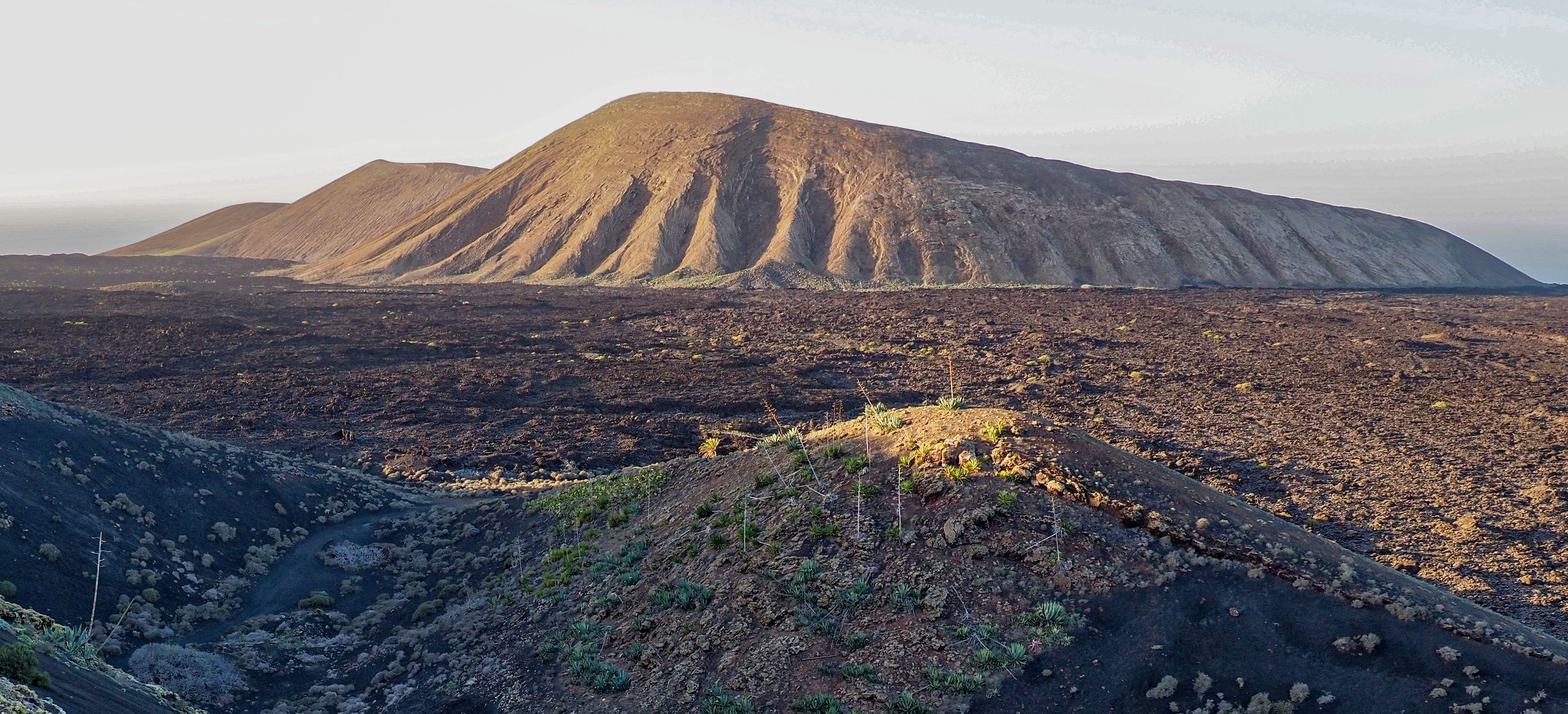
Steelmaking starts with heating iron ore, basically stones, hot enough so that the iron flows out. What is left over is slag, kind of like lava. Growing up, I frequently saw the red glow of slag reflected in the clouds above the iron smelter in Dortmund. I could also hear the thundering sounds of heavy machinery in our local steel factory a few kilometers away. Maybe that explains my fascination with steel. A natural material born out of raw energy. Working with steel is like having the power of a volcano at your fingertips.
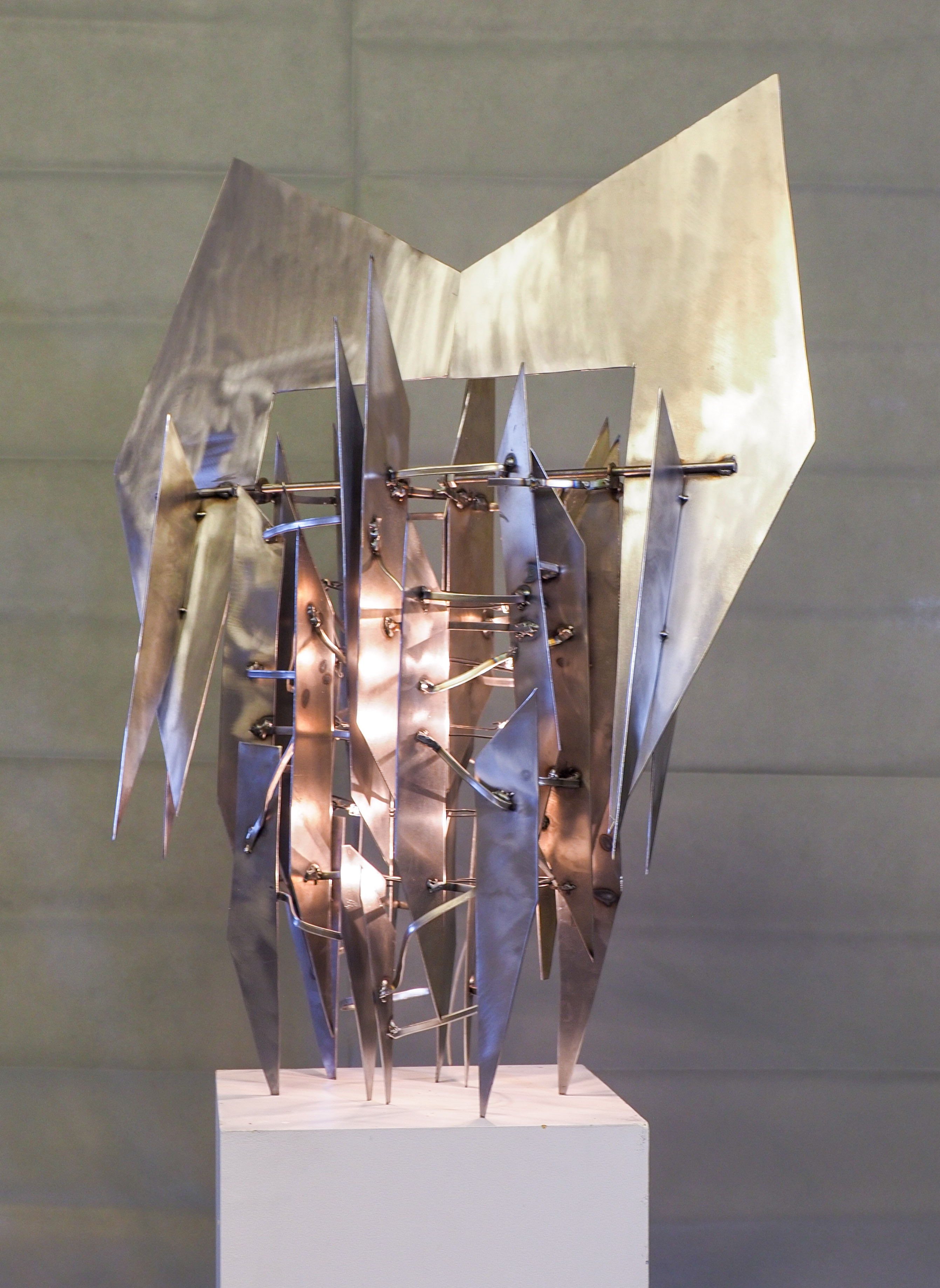
It would have been obvious to use steel in sculptures that portray the ills and evils of the world. Steel was made into weapons and tools starting 3000 years ago, but that is not what interests me as an artist. Instead, I present dramatic narratives exploring the uncertainties of sudden transitions on themes like longing, regret, purpose, and hope.
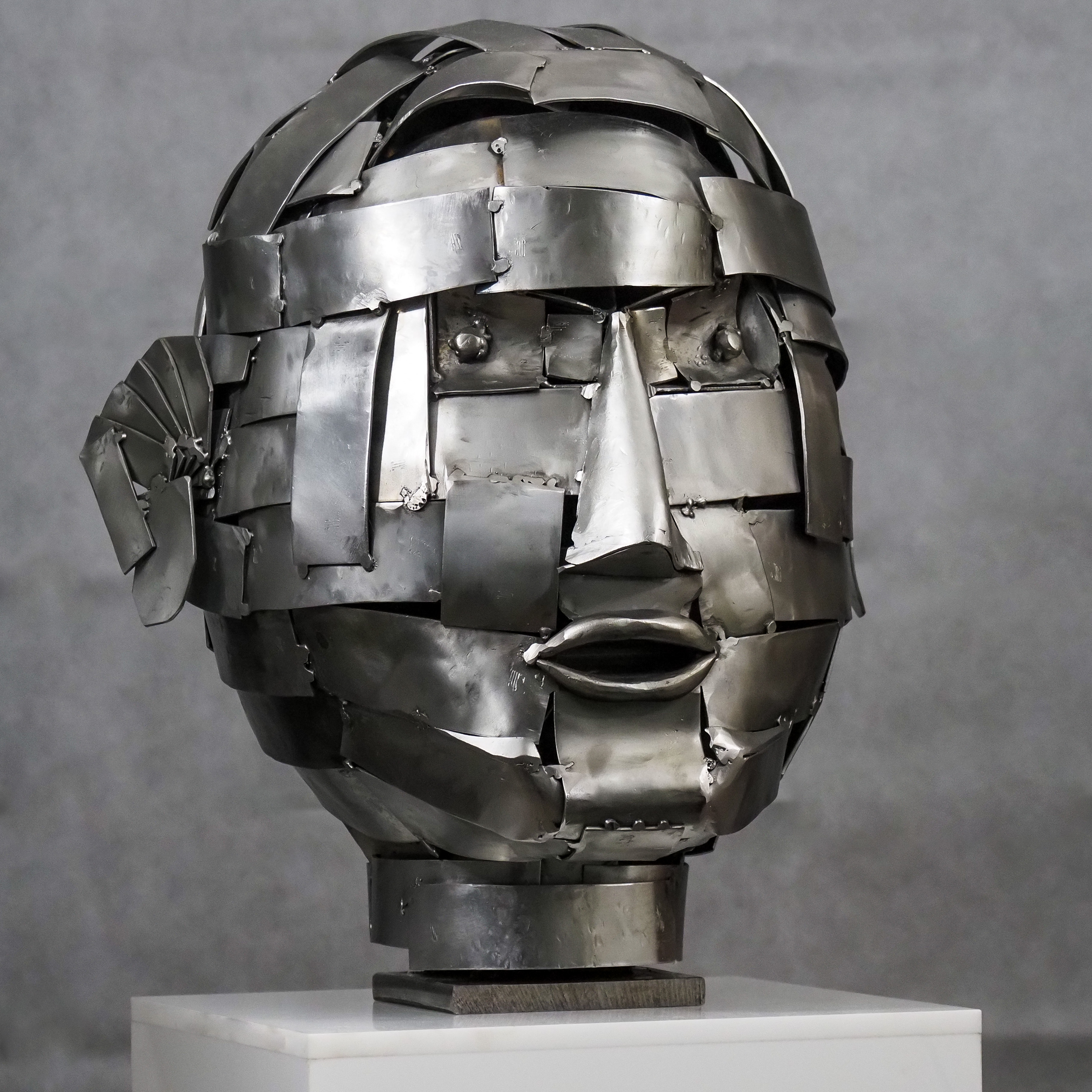
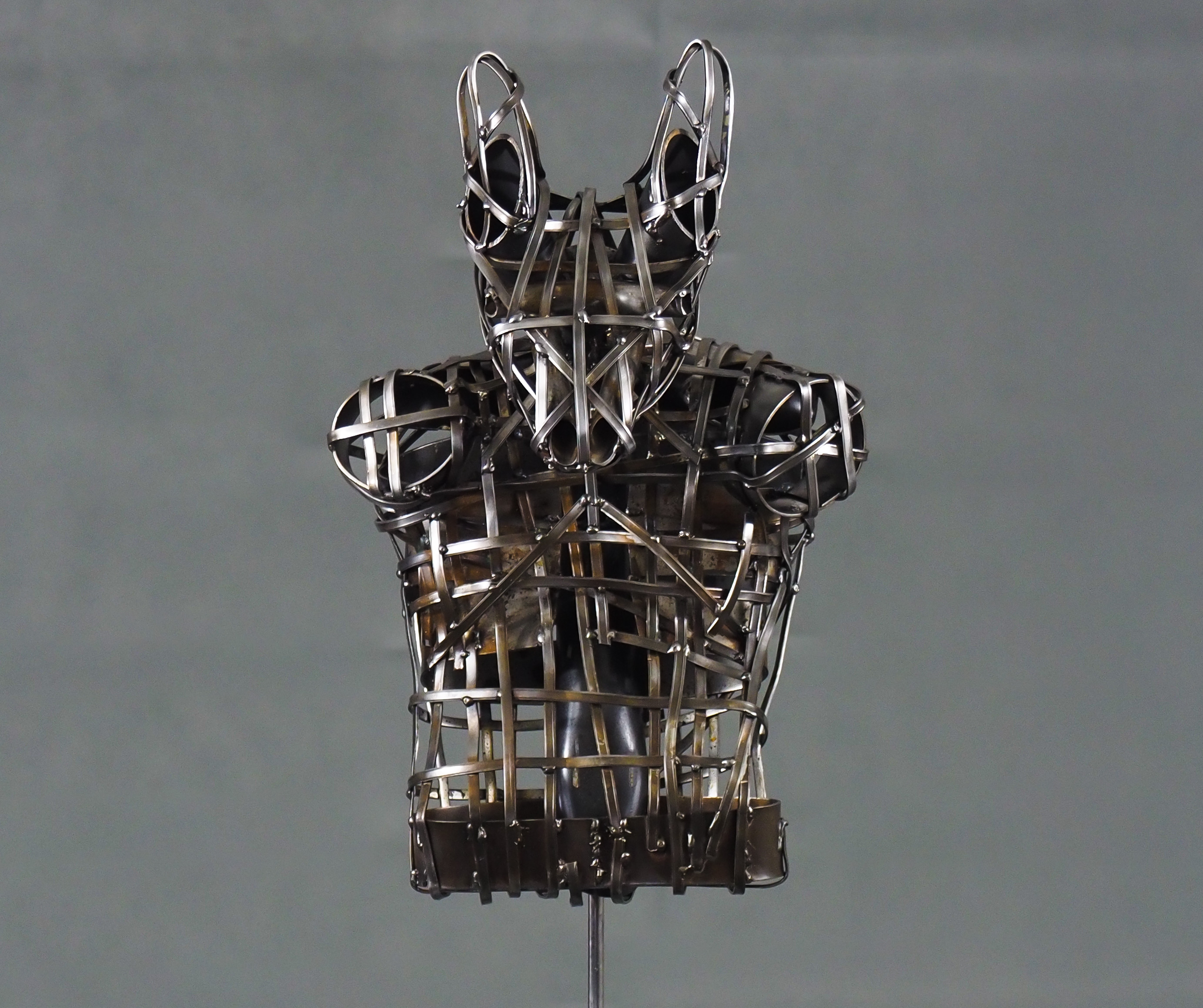
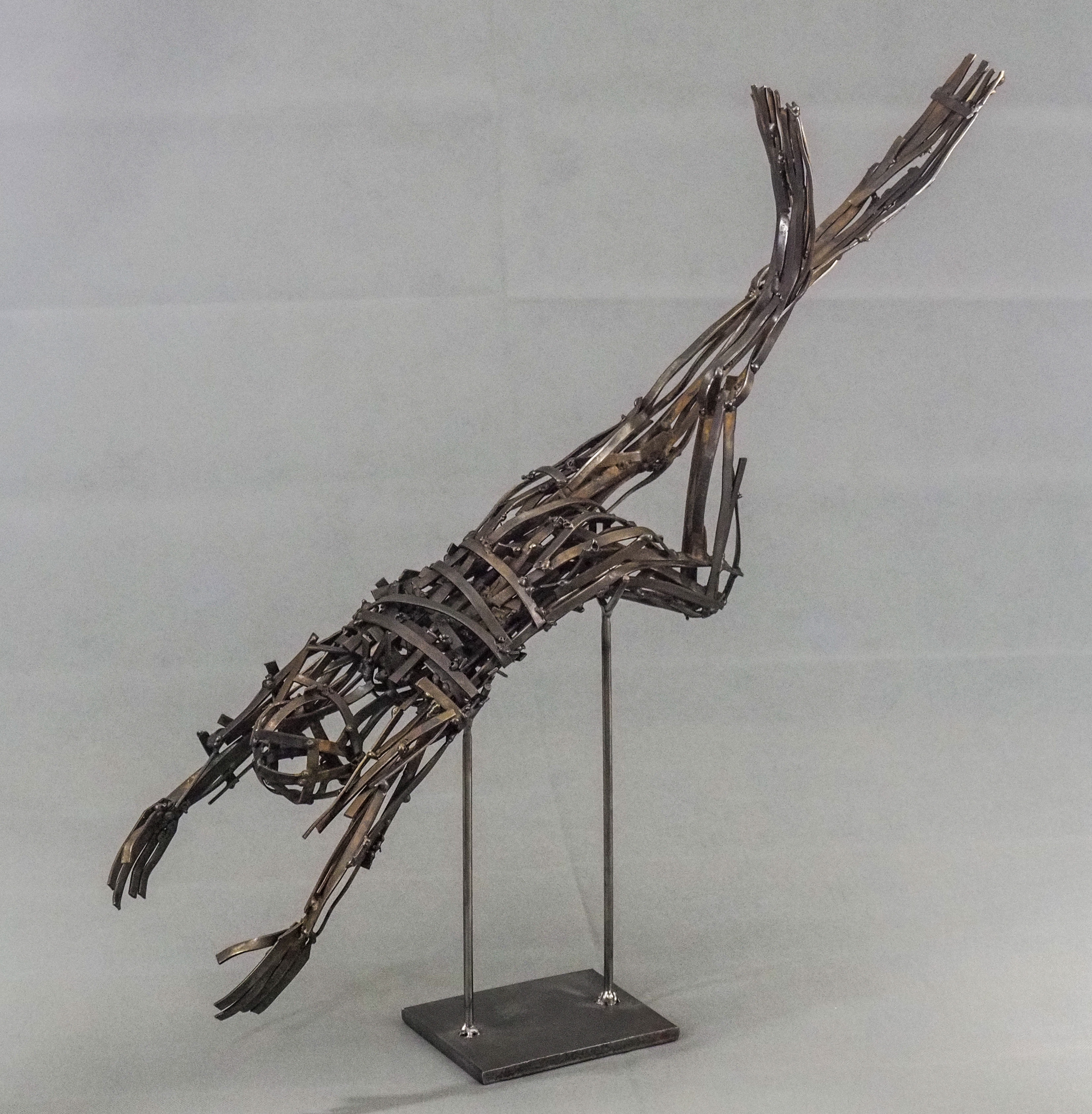
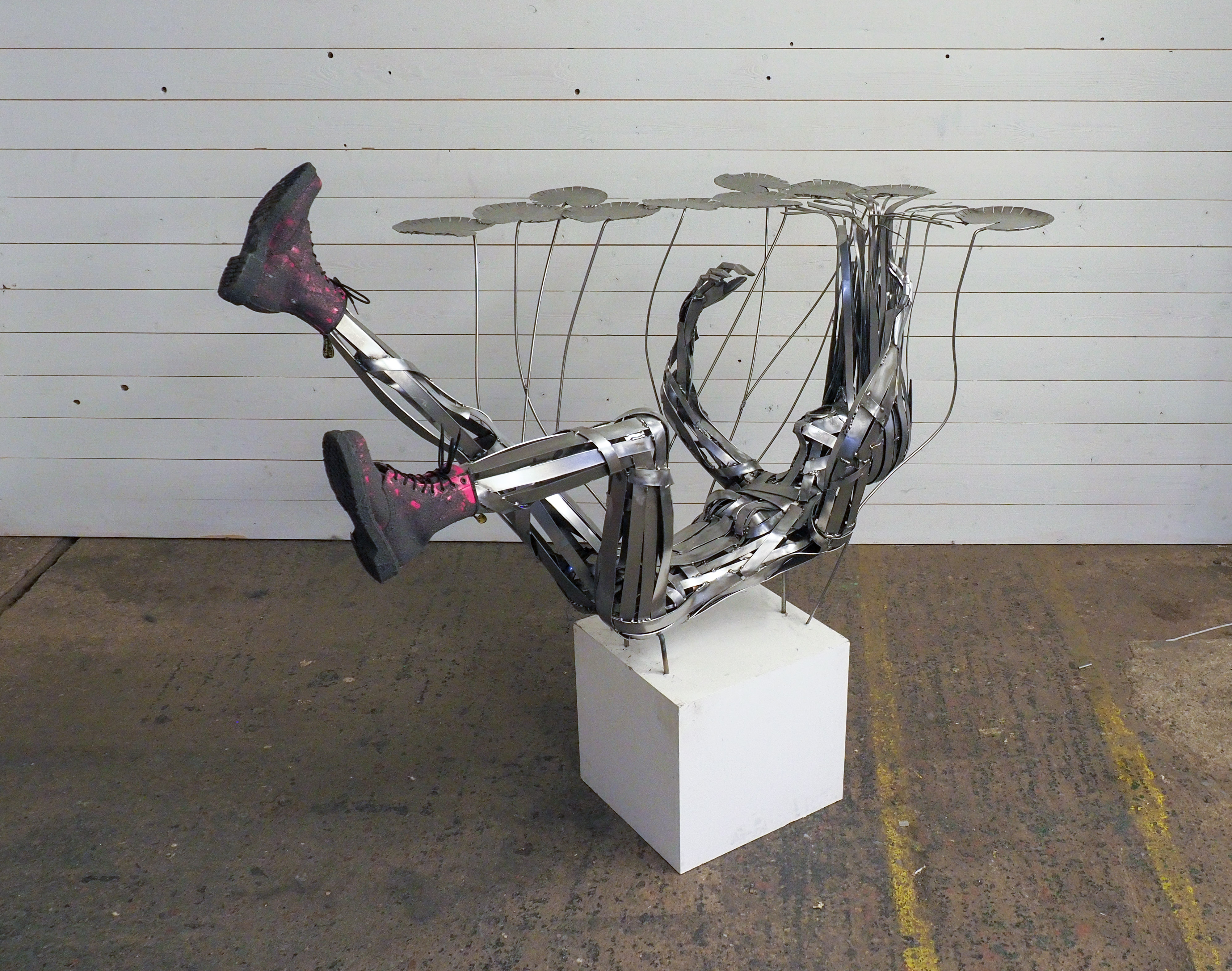
The realism in my method of representation exaggerates the stories that can be told. Successive layers of the rigid, yet flexible, material are added step-by-step to form objects that evoke ideas of cyberpunk and computer game aesthetics, as well as traditional sculpting of the 1960s. By including readymades, the sculptures refer to contemporary design and consumer culture, adding a hint of irony.


 Ulrich Bartsch